

Diana R Williams LLC helps educators increase their special education knowledge, capacity, and overall impact within their positions.
SPEDucated Leader Blog



Our Clients






What do you assume about someone when they aren’t meeting your expectations?
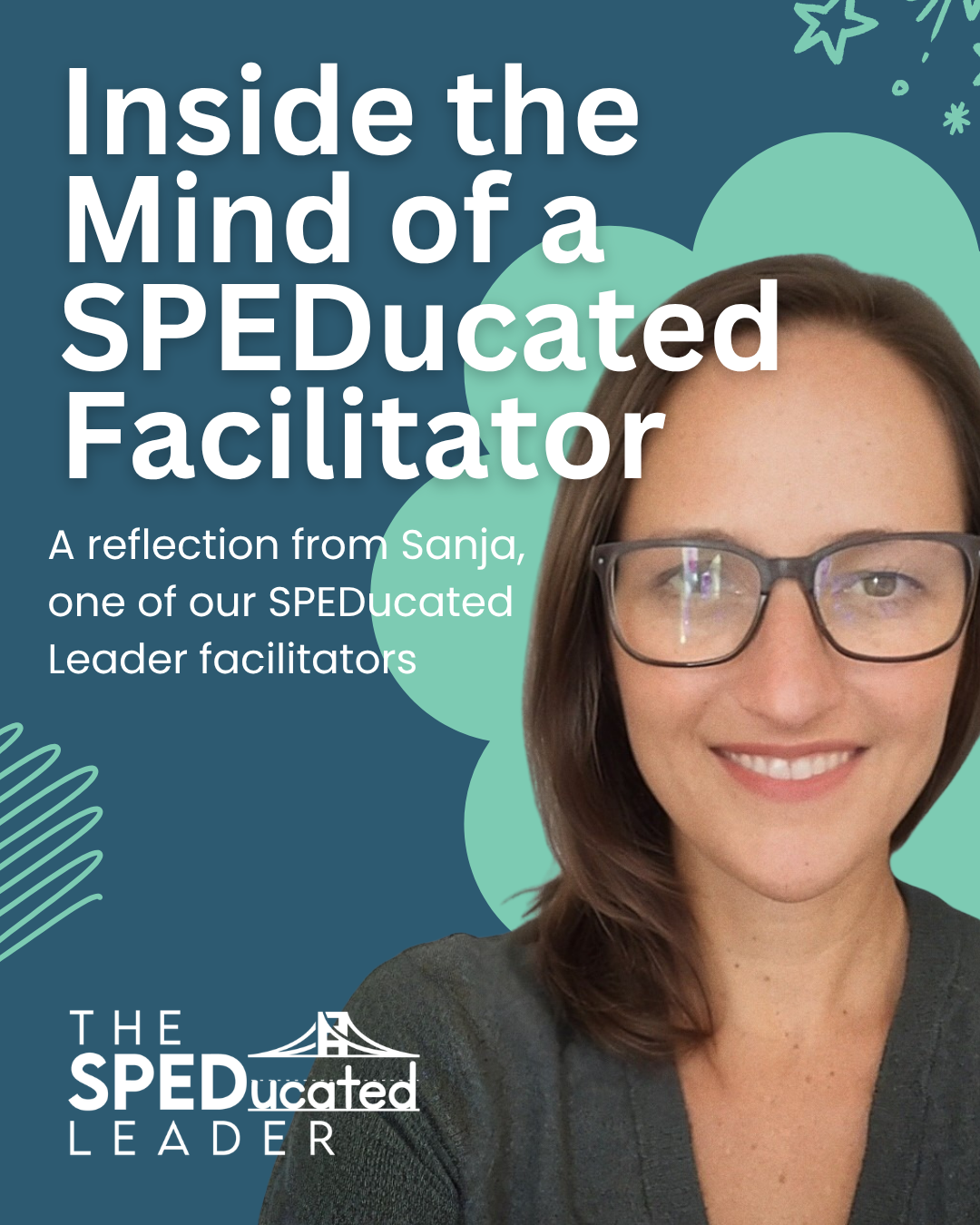
Our facilitator Sanja Bosman recently shared this reflection with us, and we loved the way she broke that gap down into four areas: will, skill, clarity, and environment. It’s a simple framework, but it asks leaders to look beyond the outcome they’re frustrated with and spend more time understanding what might actually be contributing to it.
It’s possible to check every box on an IEP and still miss the mark.
That’s the hard truth about special education paperwork. While compliance is essential—it’s legally required, after all—it isn’t the same as writing a high-quality, meaningful IEP that actually supports student growth. And too often, we confuse the two.
Small group instruction can either be a game-changer or a time-filler. When it’s done right, students with disabilities get the focused support they need to thrive. But when it lacks direction, structure, or follow-through, it becomes just another rotating group that yields little return. So how do we make sure it’s the former?
Every educator has been there—faced with a student whose behavior is disruptive, defiant, or escalating quickly. The moment is tense. The room is watching. And your next move matters.